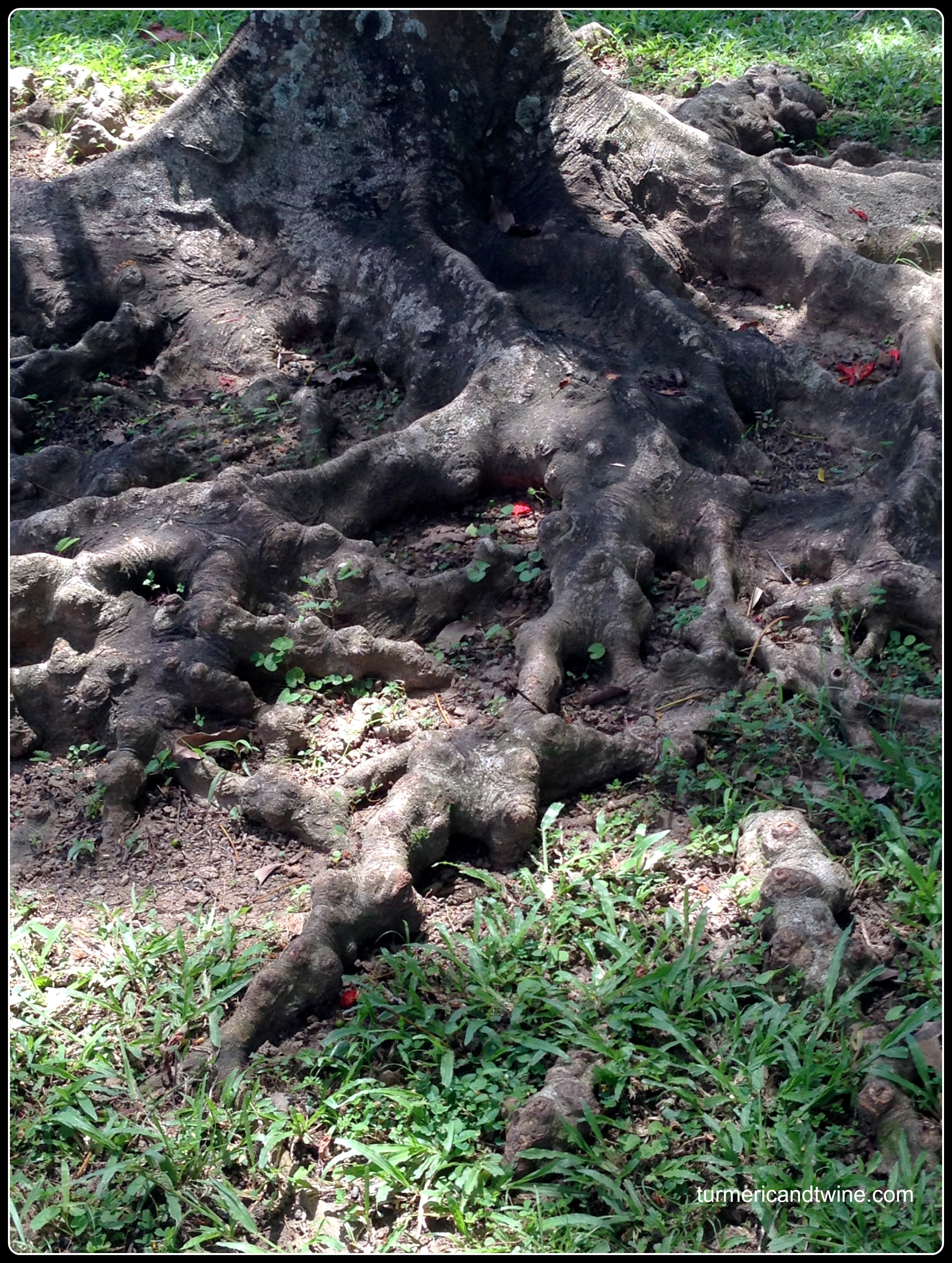
A collection of wicked roots

More from around Bali.Tree root web Ubudgnarled tree roots BaliAwesome tree roots in Ubud, Balitree and root web Ubud


Ubud’s Sacred Monkey Forest

A few photos from Ubud, Bali.

monkey eyesmonkey family BaliSacred monkey forest Ubudmonkey on lightbaby monkey ponderingmonkey family2 Ubud

Winter Heat in Bali

flower in Bali with bee 

 Winter always seems to be a run-around-like-a-chicken-with-your-head-cut-off sort of season- Christmas shopping, vacations, New Years plans, work parties, house parties and numerous deadlines. We all find our ways to survive the cold and for me, cooking is one of the best paths to warmth.

 flower in Bali

Another great way to get warm is to go on vacation! To Bali! On the beach! Bali warmed (burnt) me for five whole days of perfect perfection. It was a trip of several firsts that I won’t soon forget.

 spotlight flower

I like to think I’m a fairly experienced traveler who strives to experience new things and meet new people. I’ve Couchsurfed in stranger’s homes and made lasting friendships with people all around the planet and I always try the traditional dishes and cuisine, strange or not, but this was my first time traveling by myself. Yup. Nearly thirty countries, three continents and this was my first time going it alone. I’ve used friends/lovers as comfort crutches when traveling in the past but this time I didn’t feel uncomfortable when I realized that no one could go with me. I surprised myself when I found the ability to navigate a map, keep my head when I got lost and start up conversations with others. For some people, these skills come easily. For me, they had to be learned and experienced.

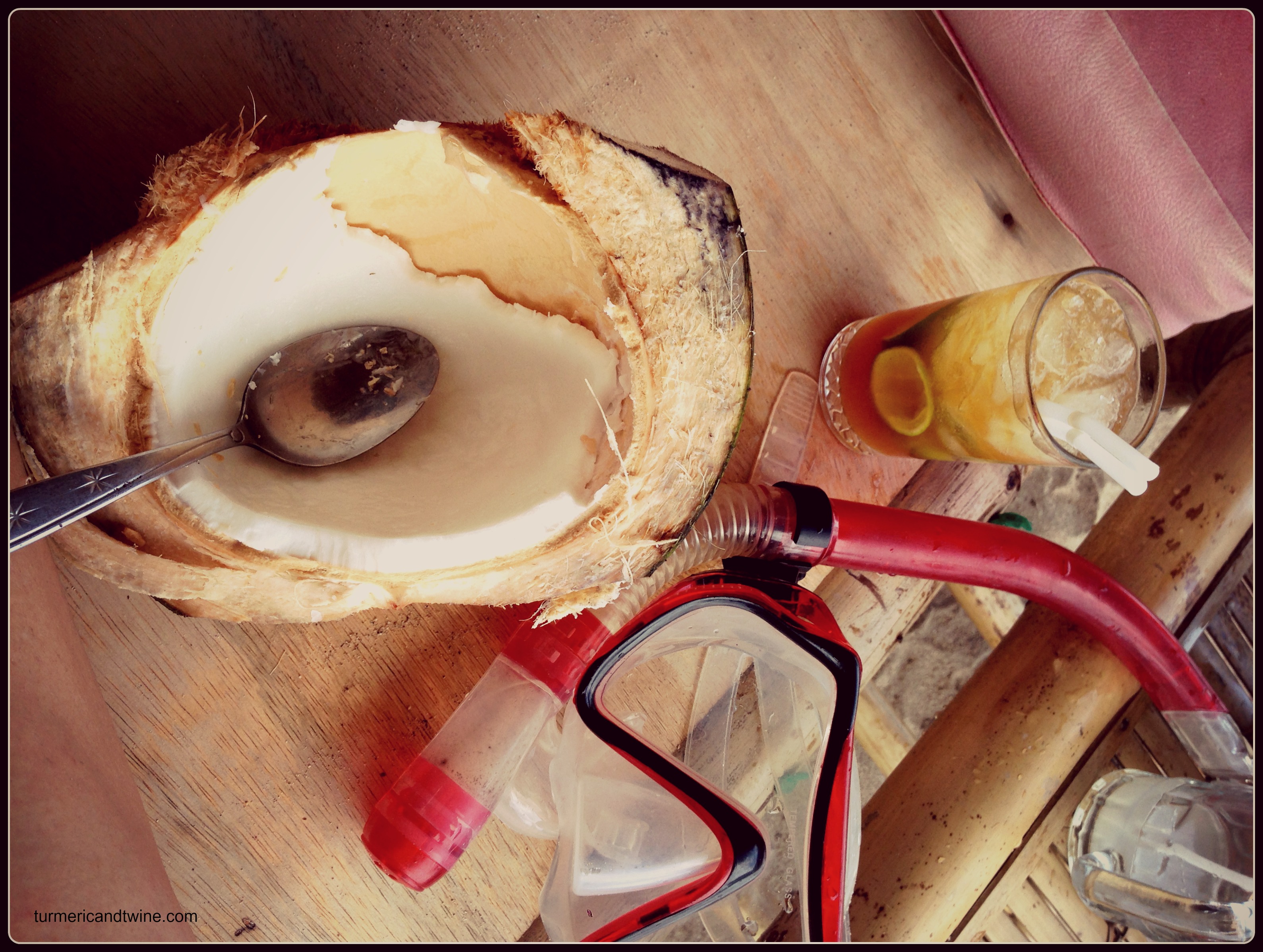
 coconut, snorkel and rum

I snorkeled with sea turtles just off the Gili Islands. I’ll never forget this. I surfaced to clear the fog from my snorkels and a man a few meters was yelling at me. He had a thick accent so I didn’t understand what he said, but then he asked if I wanted to see it. I figured if a stranger is yelling at me to come look at something in the ocean, I should go. I approached the scene and screamed underwater when I saw a MASSIVE turtle swimming around and munching on grass. I was close enough to touch it at one point, but didn’t. I was so content being close to it. The experience brought me to tears.

This one's for dad.
This one’s for dad.

Gili sunset 

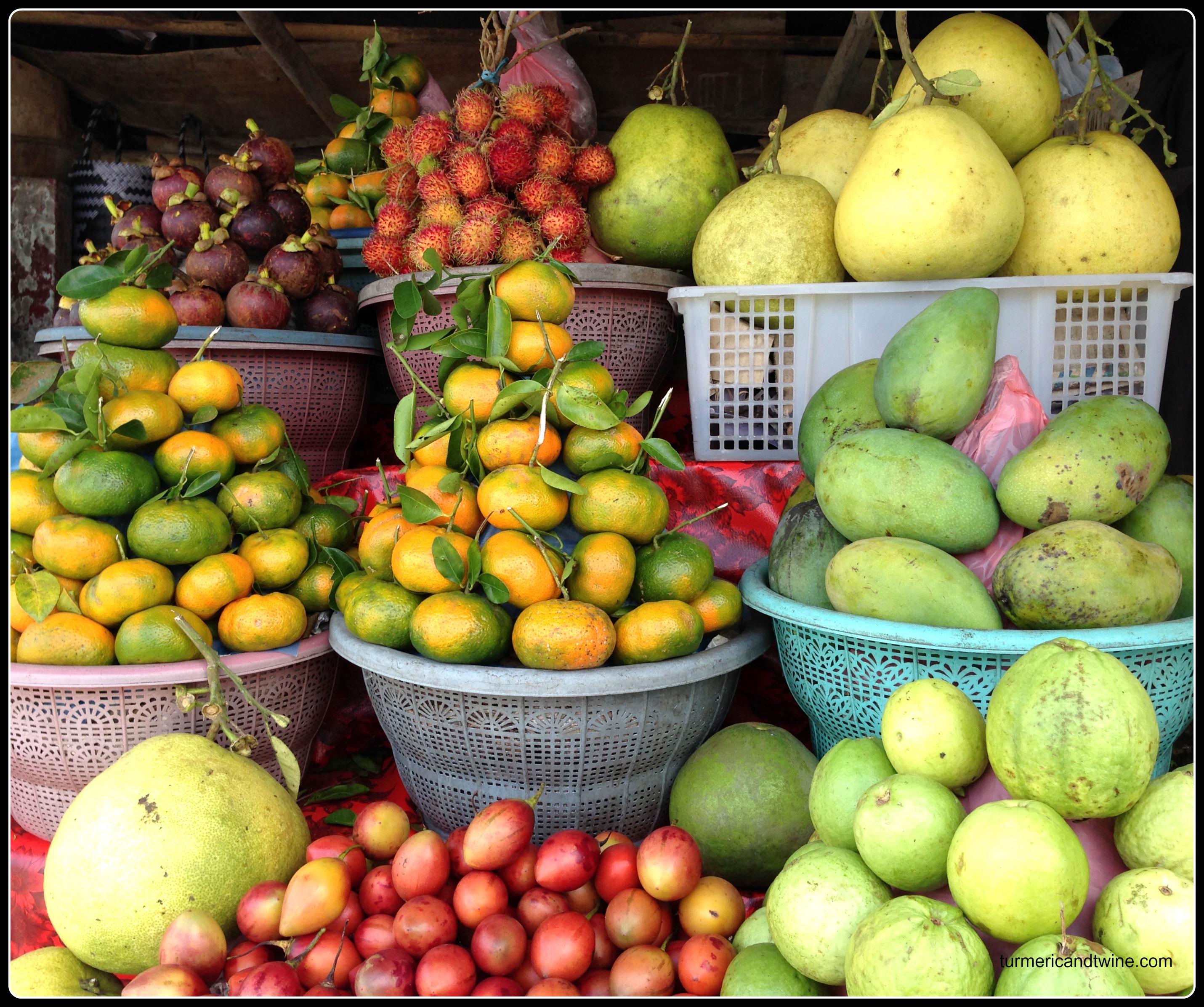
I dined constantly on fresh tropical fruit. This was not a first, but a noteworthy part of my trip. Pineapple,  coconut, papaya, snakeskin fruit, passion fruit, some weird little red thing, mango, you name it, I ate it (except bananas). I couldn’t stop. It seemed like a fabulous idea at the time, but it returned to kick me in the ass at the end. Let’s just say, I’m really glad I had an aisle seat on my flight home, as my regular trips to the bathroom would have been a lot to ask of someone else to roll out of their comfy airplane seat.

gorgeous tropical fruitfruit stand in Bali 

Needless to say, my next few postings will be highly influenced by Bali, Balinese cuisine and/or culture and will most likely include a few photos of my experience there. I wish I had something more poetic to say at this point, but for now, I’d rather just let the photos do the talking. Do enjoy. Let me know what you think.

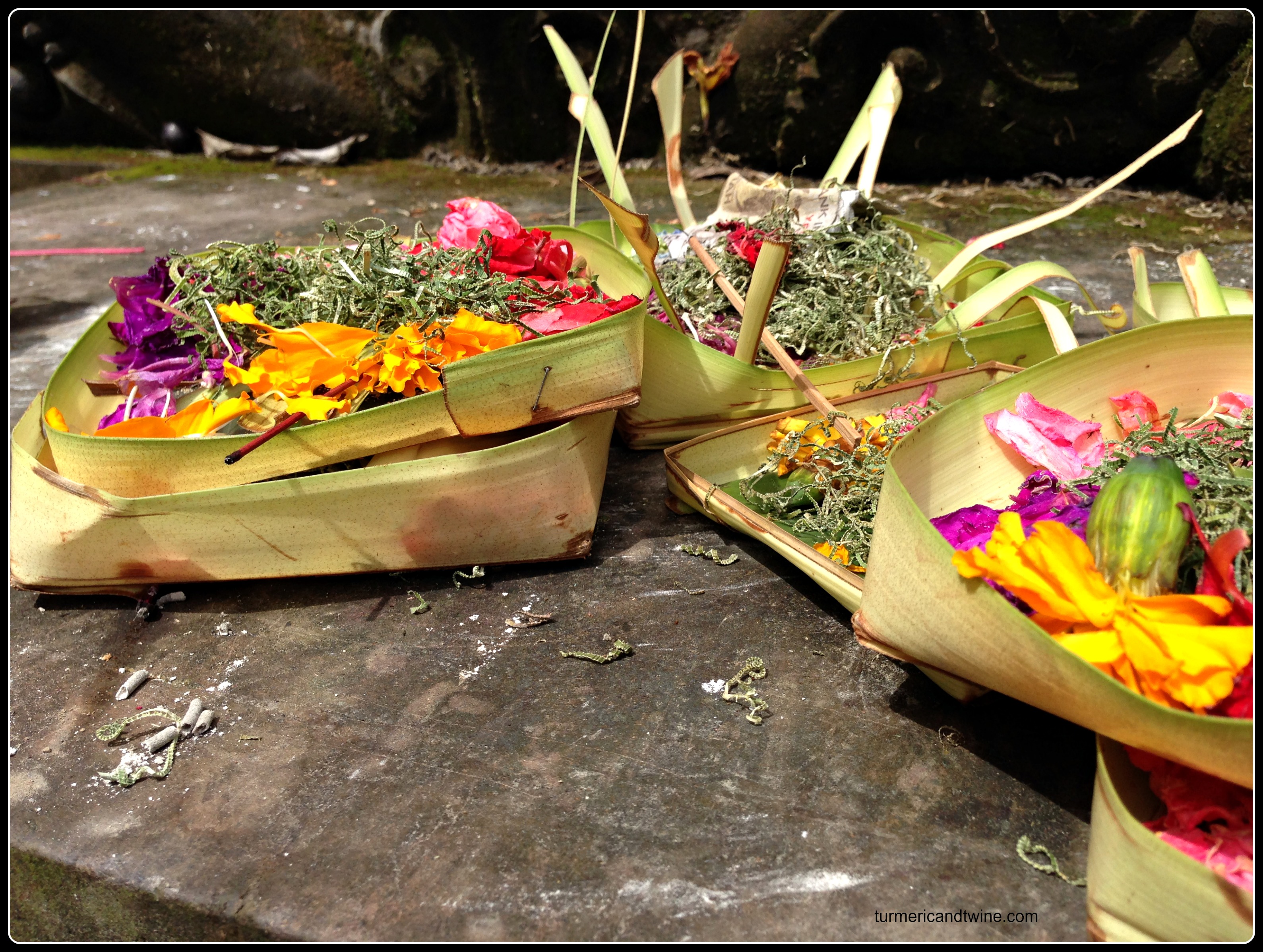
volcano in Balimonkey statue in UbudSacred monkey forest wall Ubudflower offerings in Bali

Protect Yourself From Corrupt Hagwons in Korea. You Have Options.

This is (almost) my first non-food related post on this website. Usually I would hesitate to write such a post on a site so clearly dedicated to food, but I feel this will explain my two-month absence away from posting recipes. Also, I hope to help others in similar situations, which seems to be happening to more and more teachers in hagwons. If it weren’t for a few key friends who helped point me in the right direction, I wouldn’t have known how to protect myself. The whole endeavour would have ended quite differently. Likely with more question marks. And more tears.

Teaching in Korean private academies (hagwons) can be extremely beneficial in many ways. For four years, my experience teaching at hagwons has been far from perfect, but I’d always considered myself to be in relatively good situations. That is until two months ago when the shit hit the fan.

I found myself being treated very unfairly by my employers and trapped in a scam. After sacking me and another foreign teacher for unjust reasons, my employers informed me that if I wanted my release letter (necessary for visa transfer), I would not only have to repay the airfare they provided to get my out to Korea, but I would have to pay a 500,000 won recruiter’s fee. The latter was not stated on my contract and it became clear to me that my employers were going to hold my release letter hostage for money.

When in Korea on a teacher’s visa, one cannot just switch jobs. This is because our jobs are tied in to our employers. Employers can choose to release their teachers, or not.  Immigration laws for foreign teachers tend to be strictly enforced, while laws regulating hagwon abuse seem to be few and far between. It is a very unfortunate, problematic issue and it is not uncommon for hagwon owners take grave advantage of this.

After battling back and forth between thoughts of waiting to see what happens, fleeing the country and fighting tooth and nail for my rights, I decided I needed to protect myself. I did. And it F-ing worked.

Here are the steps I took:

I wrote out my grievance and thoroughly prepared all my evidence and documents including pay slips, conflicting statements and scrutinized my contract with the school. I also started secretly recording conversations with the owners on my phone.

Next, I found out my rights and read about commonly used deceptive practices by hagwon and hagwon owners on this very helpful site created by foreign lawyers who know Korean laws. EFLlaw.com

I read discussion boards on eslcafe.com and various other places to see what steps other teachers have taken to protect themselves when in similar situations.

I called the Korean immigration hotline and told them my grievance. They set up an appointment. I was hoping they would be able to switch my visa from an E-2 to a D-10. D-10 is a “looking for work” status and is a relatively new option for foreigners. It provides more time to those in urgent situations to take more time to look for work. They weren’t especially helpful as they informed me I needed a claim slip from the labour board before they could do anything.

So, I called one of the Labour officers at the Seoul Global Center and the Support Center for Foreign Workers to get their professional opinion of my case. After they, and everyone else I spoke to about it said my case sounded quite serious and that I wasn’t being treated fairly, I decided the best way to protect myself would be to make a claim with the Labour Board against my employers. Unfortunately, there doesn’t seem to be a way to do this in English. I had a Korean friend help me translate my grievance and fill out the claim form.

This was incredibly nerve wracking for me. I had never had to take actions such as these in my life and I was unsure of what the outcome would be or how long it would take to process. So, I read more discussion boards where people shared their stories of woe and triumph after making a claim against a employer with the labour board. I was relieved to find out that it seems the labour board has gotten so sick of hagwons breaking contracts and using so many deceptive practices to cut costs that they have really begun cracking down on them.

When a claim is made by a teacher, the labour board takes the hagwon to court. This looks really bad for the hagwon. Since they are concerned about the reputation of their establishment, they will often begin making offers to the teacher to get them to cancel the claim. The labour board knows this and informs the hagwon they have a few days to settle the dispute before they begin the investigation. Since I didn’t have the time, nor did I want to go through a painful legal battle, I was banking on my hagwon making offers to me as soon as they heard from the labour board. They did. I got my release letter and pretty much everything I wanted that day and it only took a few days.

Teachers, do not despair. You have options and there are ways to protect yourself. Don’t run away or give up without fighting. Before accepting any position, be sure to check your next potential employers on all the Hagwon Blacklists and be smart about scrutinizing your contract well. Good luck.

Here are photos to help remind you that you love Korea.

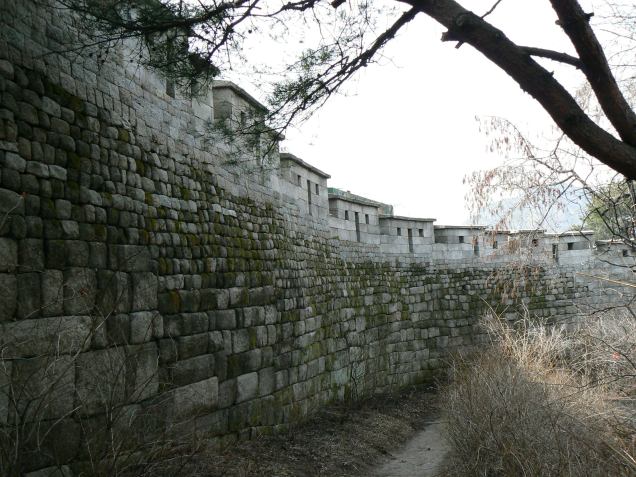
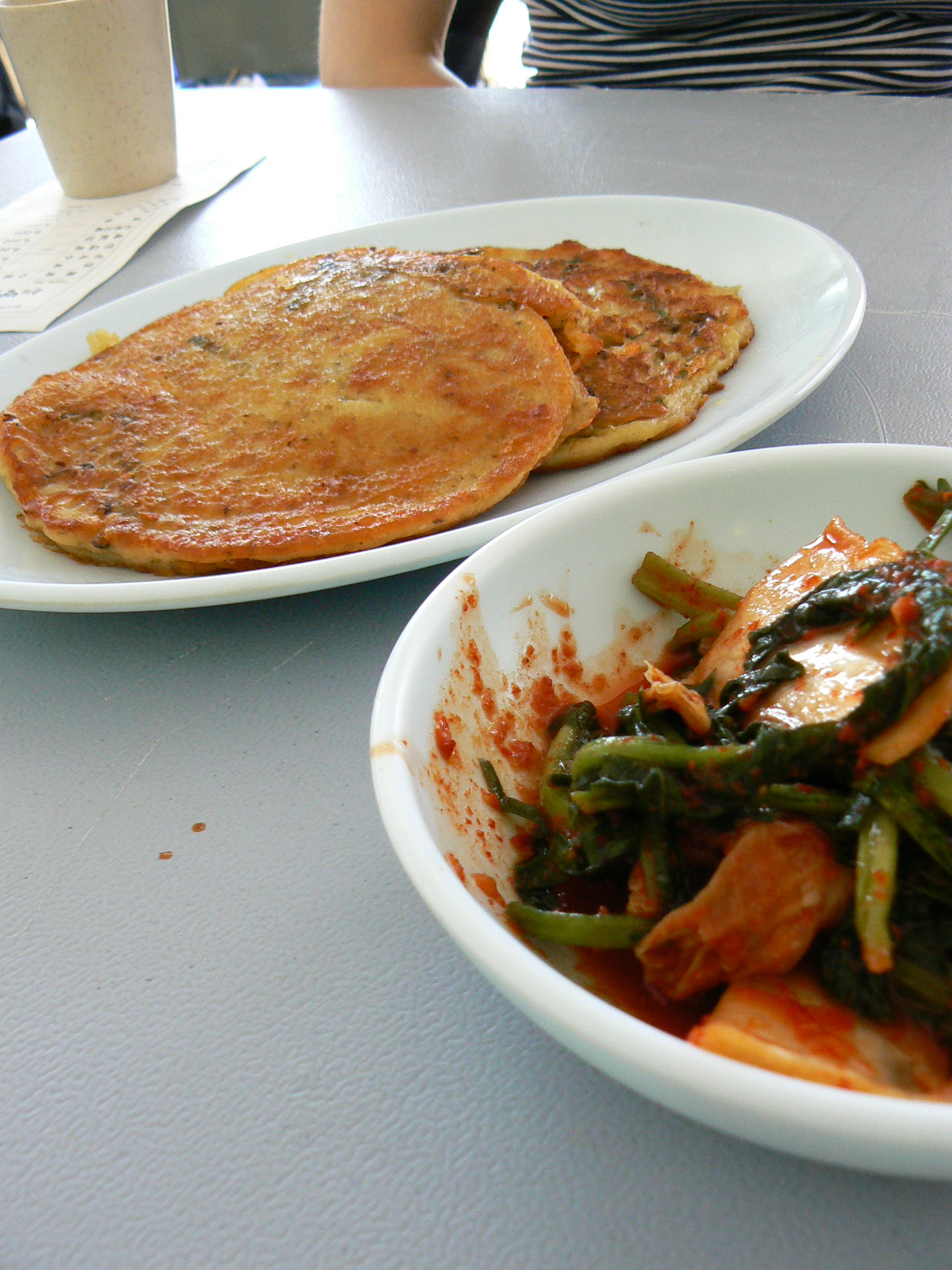
P1230126Seoul FortressKorean children doing stretchesPajeon and kimchi

Mukeunji Kimchi Frittata with Lemongrass and Sour Cream

mukeunji kimchi frittata with lemongrass and sour cream bite


If you move far from the things that are familiar to you, learning to adapt is essential for your survival. When I moved to Seoul 4 years ago, I found myself drowning in a sea of unfamiliarity. The language, culture, courtesies, smells, sounds and sense of personal space all amounted to a major sensory overload. Communication was difficult and mistakes were made often with hilarious results. I remember once feeling overwhelmed by a chatty taxi driver who assumed that I was able to speak Korean because I said “hello” properly. I tried to say “I don’t know” (mo-lie-yo) in response to his words, but ended up saying “How much does it cost?” (ol-my-yo) which of course confused him and prompted him to ask more questions. Another time, I’m pretty sure I told a nice ajumma on the subway who tried to be polite and talk to me that I hate Korea, when I meant to say I don’t know Korean well. I wondered why our conversation fizzled after that.

 mukeunji kimchi frittata with lemongrass and sour cream 2


Food was another interesting matter. Cooking and eating traditions are revered and followed with little deviation. These traditions have worked for a millennium or two, so they must be good. Too good to change. As an outsider, I was completely unaware of what these rules were and ruined many a meal in the eyes of the ladies who served me. Having been accustomed to sushi, I wanted to dip my kimbap in soy sauce. This caused a serious stir in the kitchen as no one could imagine why I would ever want to do such a thing. Did I know that the whole point to eating bibimbop was that it must be mixed thoroughly before eating? Apparently not. Once I’d turned some mushrooms over on the barbeque during a galbi meal, thus spilling all of the water they had collected. All of the Koreans at my table gasped in disappointed embarrassment. It seemed I’d rendered them useless.

 mukeunji kimchi frittata with sour cream and lemongrass


When I first arrived, I’d had very limited exposure to kimchi. I found it overwhelming and somewhat offensive to the senses. But, as it is one of the main sources of great pride in Korea, I plugged my nose and tossed it down. I now can’t imagine going more than a few days without eating some.


mukeunji kimchimukeunji kimchi 2 

Mukeungi is kimchi’s lesser-known elderly cousin. Where kimchi is usually fermented for 1 to 4 months, mukeungi has gone through an extra long fermentation process, usually about a year (!). It is ripe with flavour and smell. It is excellent for using in stews, soups and mixes gloriously with eggs. 


mukeunji kimchi frittata with lemongrass and sour cream ingredients

Mukeunji Kimchi Frittata with Lemongrass and Sour Cream

Ingredients

  • 12 eggs beaten
  • 2 cups mukeunji kimchi, chopped
  • 2-3 king oyster mushrooms, sliced and chopped
  • 1 large onion
  • 4 tbsp sour cream
  • 5 garlic cloves, minced
  • 1 tsp lemongrass (preferably fresh), finely chopped
  • ½ tsp sea salt
  • 1 tsp black sesame seeds
  • 1 tbsp butter

Directions

Heat a pan on medium high heat on your stove top, melt ½ of the butter. Add garlic, onion and lemongrass and cook for 5 minutes or until slightly brown. Stir frequently.

Add the mushrooms and cook until they begin to release their water (about 4-5 minutes). Add the mukeunji kimchi, including any juice, to the pan. Turn heat to medium and simmer for another 10 minutes.

Preheat oven to 400ºF/200ºC/gas mark 6.

Spread the remaining butter on the bottom of an 8 inch circular baking pan and transfer the kimchi mixture. Pour in the beaten eggs and add salt, and sour cream. Gently mix with a fork.

Place the pan in the oven and cook for about 20-25 minutes. To check if it is finished, insert a pick or fork into the center. If it comes out clean, it is finished. Remove from heat.

Garnish with black sesame seeds.

Flavour Pairing: Cauliflower Cashew Soup with Curry Yogurt Sauce + Leaving the Road Less Travelled

Cauliflower cashew soup with curry yogurt sauce

I always struggle to answer when asked where I’m from. Do I answer the place I was born? The place I’ve been most recently? Where I grew up? The place I’ve spent most of my life? The place my family lives? Where I’m most comfortable? Any of these could be the actual question behind the posed inquiry and my head swims with possible responses. For me, each would get a different reply.

Shiny
Shiny

The past decade or so of my life has been spent in a relatively nomadic state. I’ve lived and worked overseas, studied abroad and traveled like a maniac. The idea of ‘home’ has been stretched and expanded to mean more than I’ve ever thought possible. Home is where the heart is, yes, but home is so much more, too. I felt at home when I finally stepped on Icelandic soil after having dreams about the place for many years. Montreal is the home of my mum’s side of the family, as well as many of my closest friends, and though I only lived there for my university years, it feels like home. I lived in Seoul (and have now just returned) for 3 ½ years, and it too has a place in my heart and feels like home. I can’t tell my life story to every person who asks me where I’m from, so I usually come up with one short answer or another.

 Cauliflower cashew soup with curry yogurt sauce 2

After a few rushed weeks of fevered packing, random fits of tears and goodbye kisses, I left my home by my mother’s side at The Abode of the Message in New Lebanon, New York to return to Korea. The Abode is the place I was born, rebelled against and returned to. It is the place I lost my father and found a new meaning to the importance of family. It is the place I found love, lost it, and found it again. Eight peaceful months were spent cooking, eating, writing, photographing, running, loving, breathing, blissing out on nature, watching out for bears, catching up with old loved ones and meeting new loved ones. 

 Cauliflower cashew soup with curry yogurt sauce mixed 2

As I was staying with my mother for the first time in 10 years, there were a few challenges to overcome. Mainly involving myself not acting like an entitled 12 year old. This is a tough challenge for anyone reorganizing their lives to be closer to their mum. I took it as an opportunity to better my relationship with her. I didn’t always succeed… with the whole not being a grumpy, misunderstood teenager thing, but I tried.


When it came down to saying goodbye, even though I’ve done it countless times before (both to The Abode and to my mum), I found I was only able to remember the good things, the best things. Our connection fills me so much that my eyes start to leak. Home.


So, let the reign of debauchery and hilarity in Korea begin.

misspelled English sign in KoreaWelcome to SamcheongdongThe new Seoul City Hall building 

By the way, this cauliflower cashew soup with curry yogurt sauce is perfectly balanced and really pretty. Also, preparing a sauce for a soup makes you feel like you’re on top of things and you know what you’re doing.


Besides, it’s so easy.

Cauliflower cashew soup with curry yogurt sauce mixed

Cauliflower Cashew Soup with Curry Yogurt Sauce

Ingredients

For the soup:

  • 1 large head of cauliflower (about 7-10 cups chopped roughly)
  • 2 ½ cups cashew pieces
  • 1 cup chopped potato
  • 1 leek, washed and chopped
  • 1 large onion, chopped
  • 5 cloves of garlic, chopped
  • 1 tbsp fenugreek
  • ¼ tsp clove powder
  • 1 ½ tbsp salt
  • 2 tsp black pepper
  • a pinch of paprika
  • cooking oil
  • water

For the sauce:

  • 1 cup plain yogurt
  • 1 ½ tsp Indian curry powder
  • ¼ tsp salt

Directions

Add some cooking oil, the onions and garlic to a large pot on medium high heat. Let brown for 4-5 minutes. Stir intermittently.

Add cauliflower, leek and potato. Cook for 10 minutes.

Pour water in until all vegetables are just covered. Do not put in too much or the soup will be watery. Add cashews and spices.

Let the soup boil for 20-25 minutes.

Take the soup off the heat. Using an emersion blender, blend the soup until smooth.

In a separate bowl, mix yogurt, salt and curry powder until well incorporated.

Place a dollop of yogurt on top of the soup when ready to serve.

Serves 4-6

Garden Pesto + Job Hunting in Korea

To the minor detriment of finding time to write posts, I have been focusing on finding a teaching job in South Korea for the past few weeks. It’s been a little slow going because I’m being very picky and haven’t actually applied to many positions. Luckily, as ESL teaching positions are quite plentiful, I can afford to be somewhat picky, but a large portion of me just wants it over with. Job searching gives me ulcers. Gah.


Good things come in threes.

Actually, this won’t be my first time out there. I will be returning to SoKo after a year away. I first left North America (as a dual citizen of the States and Canada, I claim North America as my home) in August 2008. My intention was to stay for a year, but it just ended up being too good an opportunity to leave then, so I stayed an extra 2 and a half years.


In that time, I made friends with people from all over the world, traveled to about 25 countries, paid off all of my school loans and ate a metric ton of kimchi. Maybe two. As a Seoulite, I always found plenty of things to do, see, eat and experience. Seoul, like any city, has its plusses and minuses.

#1 plus- the amount of people

#1 minus- the amount of people

I’ll let you ponder that.

 pesto makings 2

I look forward to experimenting with traditional Korean dishes (which is saying a lot- Korean food has such a wide array of strong flavours that experimentation could be extreme) as well as getting to know some more people in food circles upon my return to Seoul. I will keep you updated as things progress. Until then: Pesto!

 pesto bowl

This summer and fall, herbs were ridiculously plentiful in mum’s garden. It was difficult to find ways to use them all. We were stuck with excessive amounts of (among other things) basil, parsley, cilantro, arugula and yellow wood sorrel.


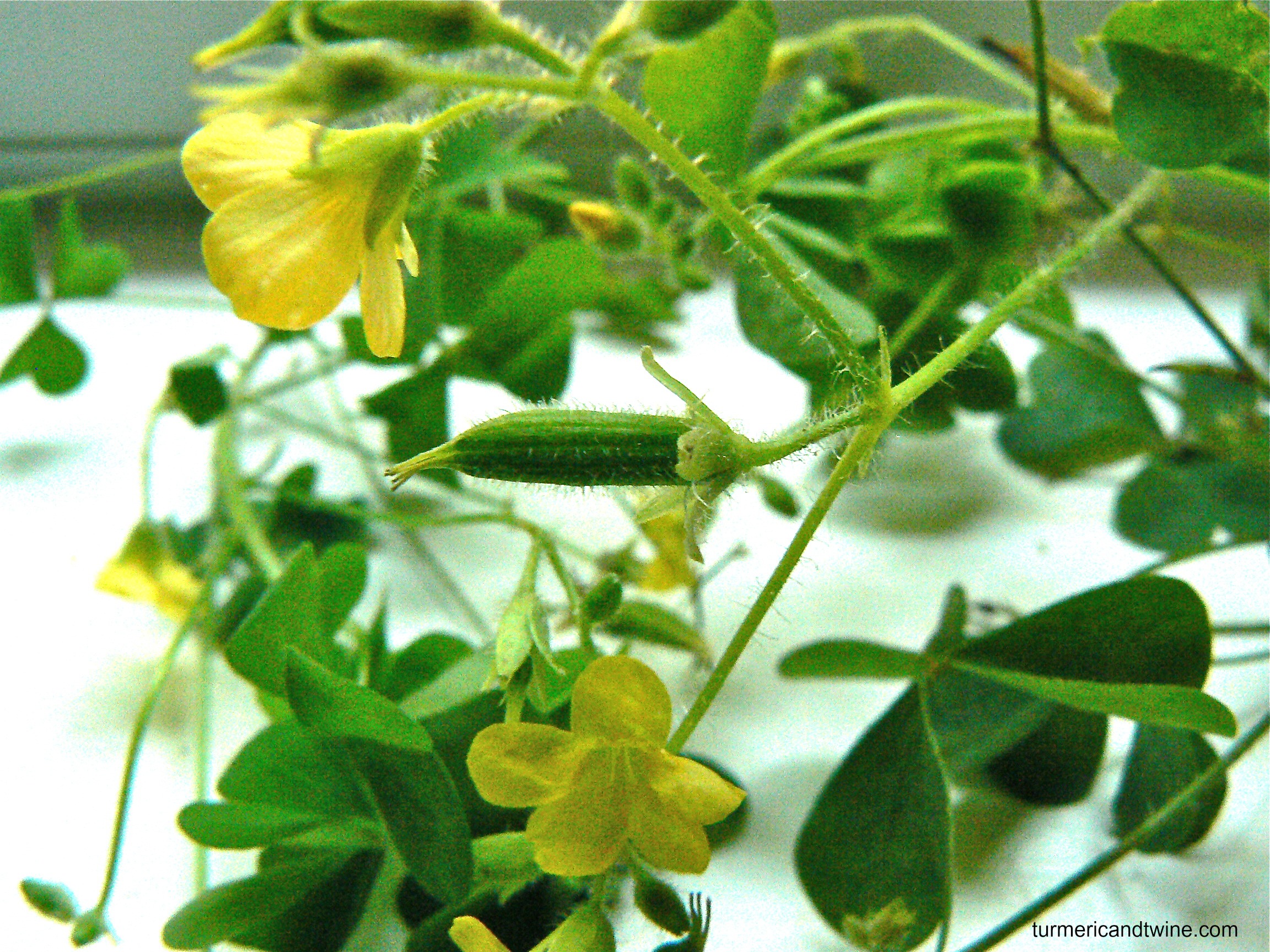
Oxalis stricta
Oxalis stricta


Yellow wood sorrel is a delightful, clover sized plant that happens to be extremely and surprisingly sour. It’s kind of like eating a flat, dry and green lemon. Well… kind of. It grows everywhere and chances are it is growing in a green space near you. You most likely think of it as a weed, but I can assure you of its usefulness. It is wonderful as an extra salad green, gorgeous as a garnish and a delightful addition to anything needing tang. The entire plant is edible (although the stems get harder later in the season) and loaded with Vitamin C. It has some medicinal properties and will help treat skin rashes, swelling and inflammation. It can also be used as an orange/yellow dye. Thanks yellow wood sorrel for being so fabulous and helping to flavour my pesto to perfection!

 pesto in jars

My recipe yielded a very large amount of pesto. Luckily, pesto freezes perfectly and months after making the stuff, I’ve still got containers full and it’s still gorgeous. It also makes wonderful gifts.

pesto makings

Garden Pesto

Ingredients

  • 10 cups basil, arugula, parsley, cilantro and yellow wood sorrel mixed
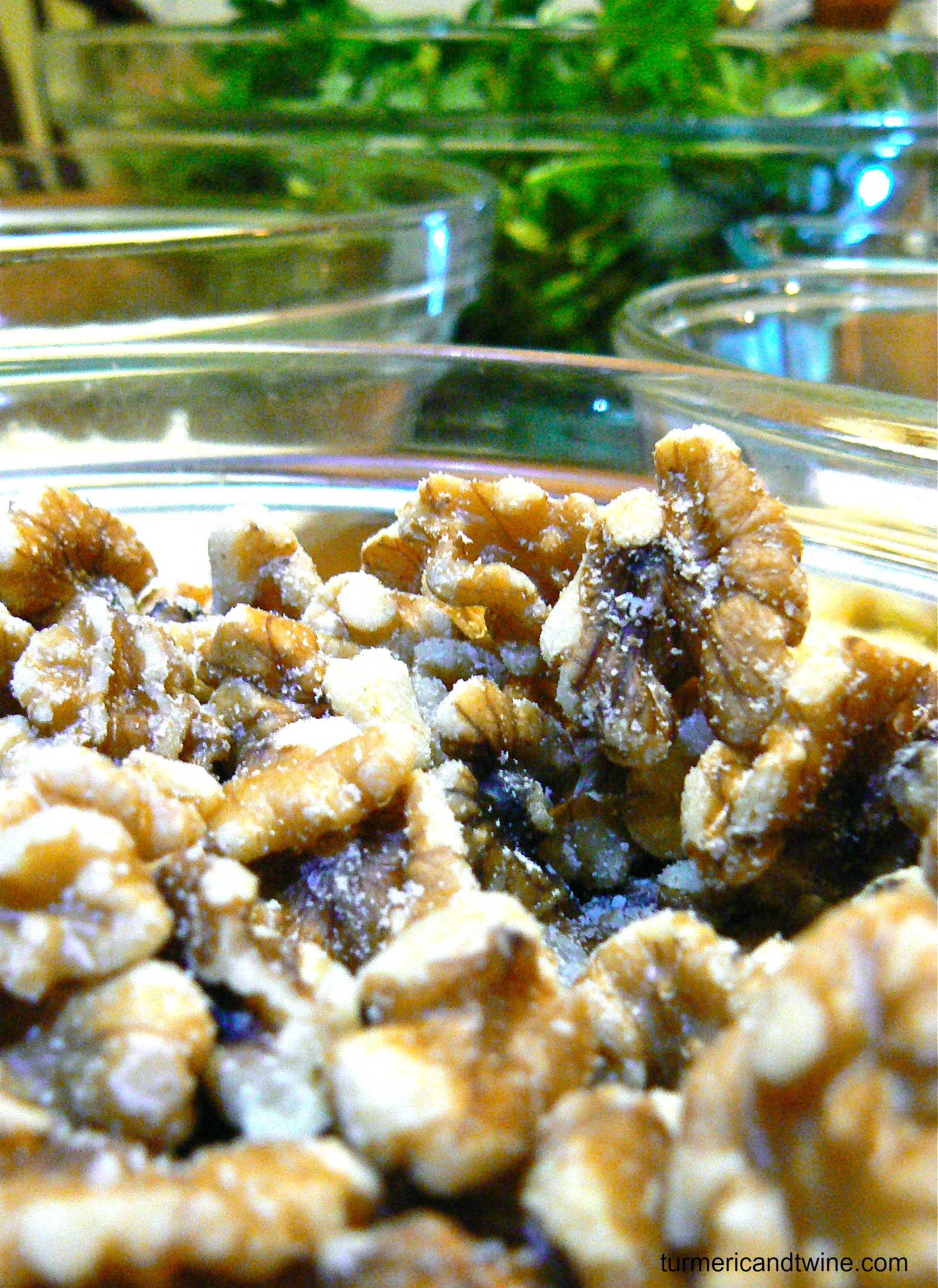
  • 3 ½ cups walnuts
  • 1 ½ cups grated parmesan cheese
  • 20 cloves of garlic
  • 1 ½ tbsp salt
  • 2 ¾ cups olive oil
  • water

or for those who lack freezer space

  • 2 cups basil, arugula, parsley, cilantro and yellow wood sorrel mixed
  • ½ cup walnuts
  • ¼ cup grated parmesan cheese
  • 3 cloves of garlic
  • 1/8 to ¼ tsp salt
  • 3 tbsp olive oil
  • water

Directions

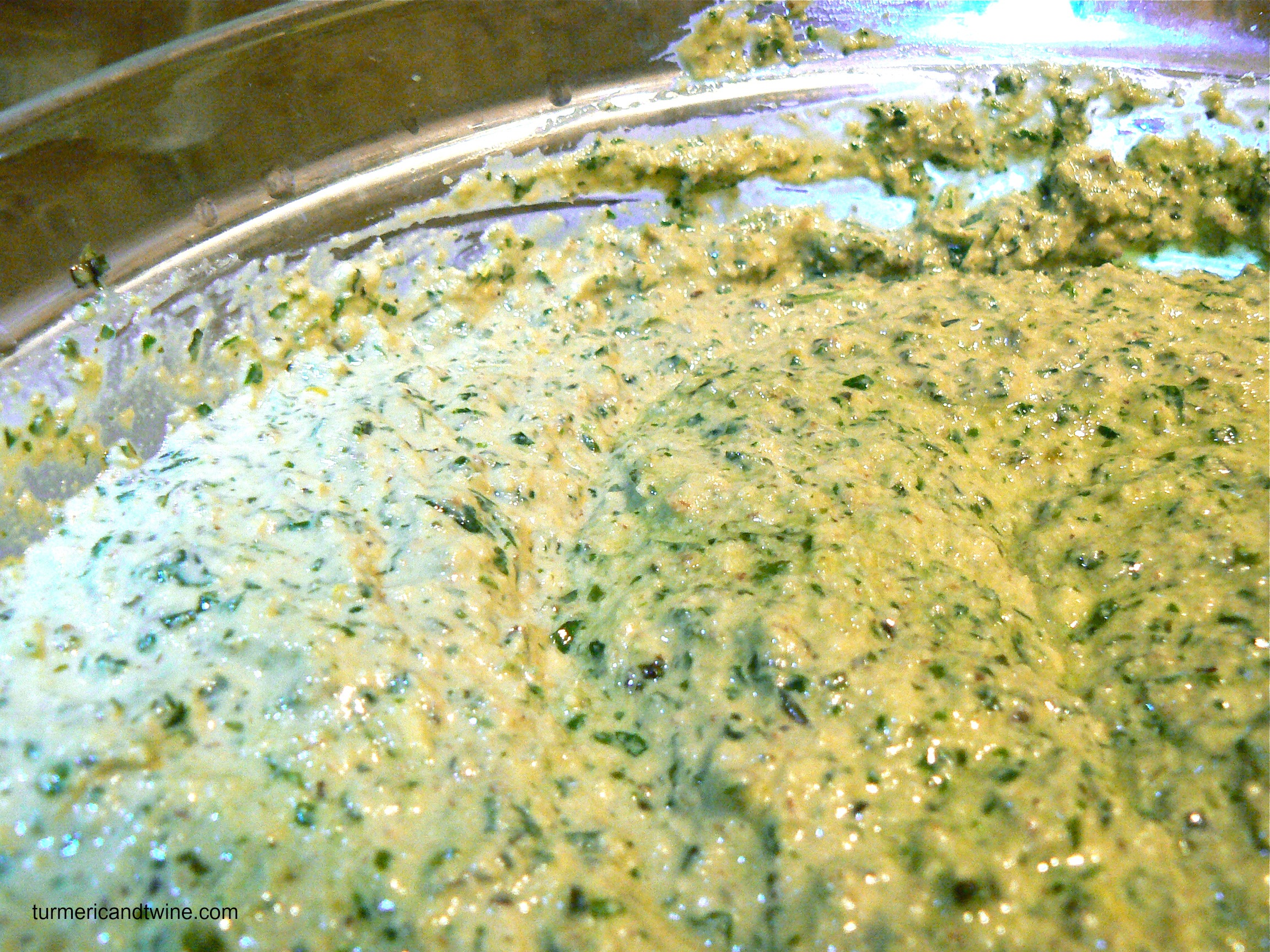
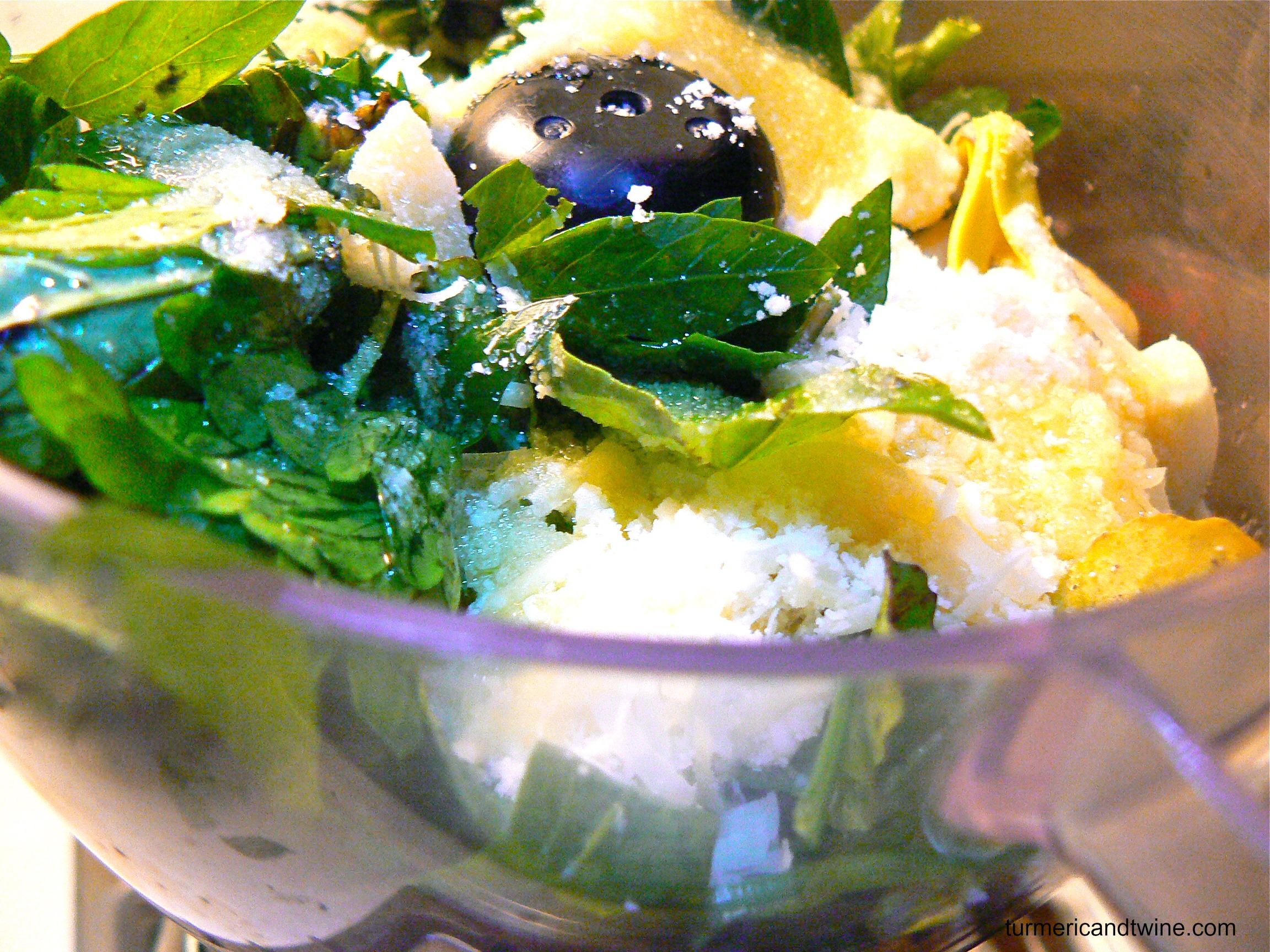
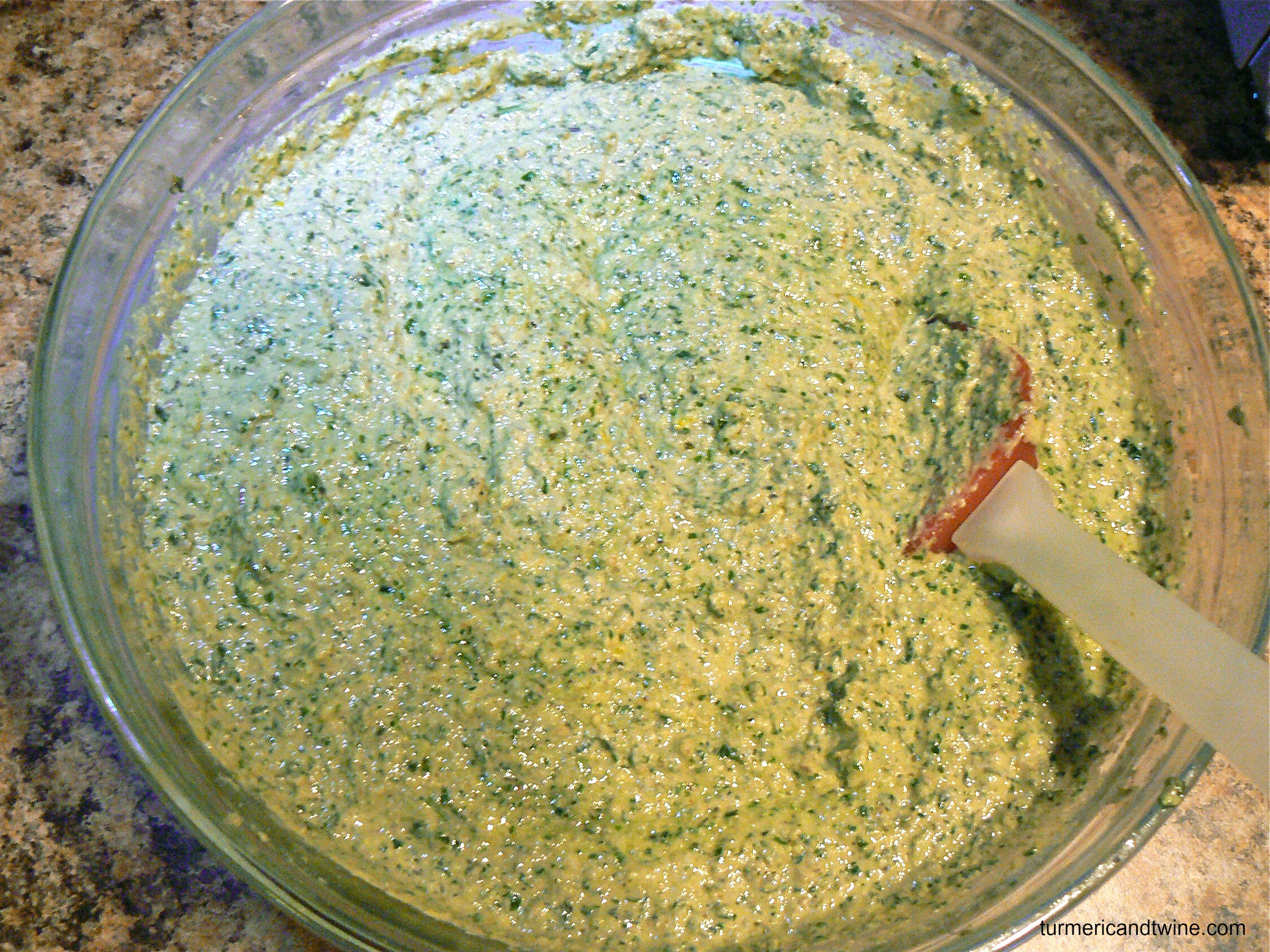
Using a food processor, blend herbs, nuts, garlic, salt and olive oil in small batches. Add small amounts of water for extra blending lubrication. Blend until beautifully smooth with bits of green.

pesto spin

Once the ingredients have finished blending, mix the parmesan into the rest until well incorporated.

pesto bowl 2

Pesto can be frozen for many months and keeps well in the fridge.

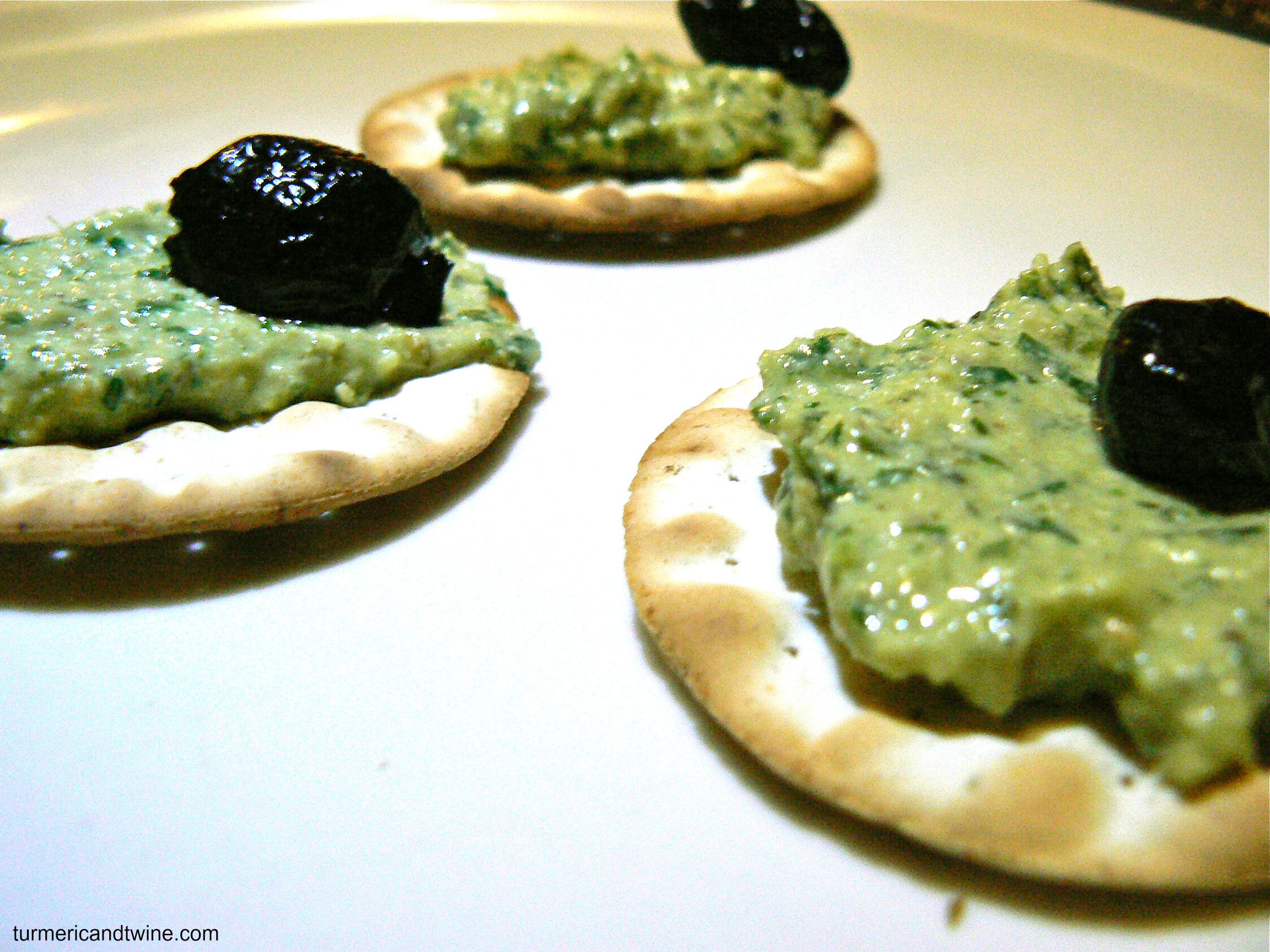
garden pesto crackers 2

Variations

Omit parmesan for a vegan version and add a touch more salt. Or use a salty hard vegan cheese (any suggestions?).

Roast garlic if you’re garlic sensitive, although I would never recommend omitting garlic entirely.

Enjoy!

Weekly Photo Challenge: Foreign


Golden circle. Geothermal field in Iceland

Alright, this doesn’t have anything to do with food, but I saw The Daily Post’s photo challenge and I couldn’t resist.

I took this photo on my recent trip to Iceland. The mineral pool is part of a geothermal field; the same geothermal field where Geysir is located. When I was in Iceland, I felt like an Earthling on the wrong planet. I was overwhelmed by how foreign it felt. The alien blue colour of this very hot water with the stark moon-like surroundings of this photo pretty much sums up the experience that is Iceland. Awe mixes with wonder and fear (so many dangerous possibilities!) and it’s easy to forget where you are.

Back to Basics and Arugula

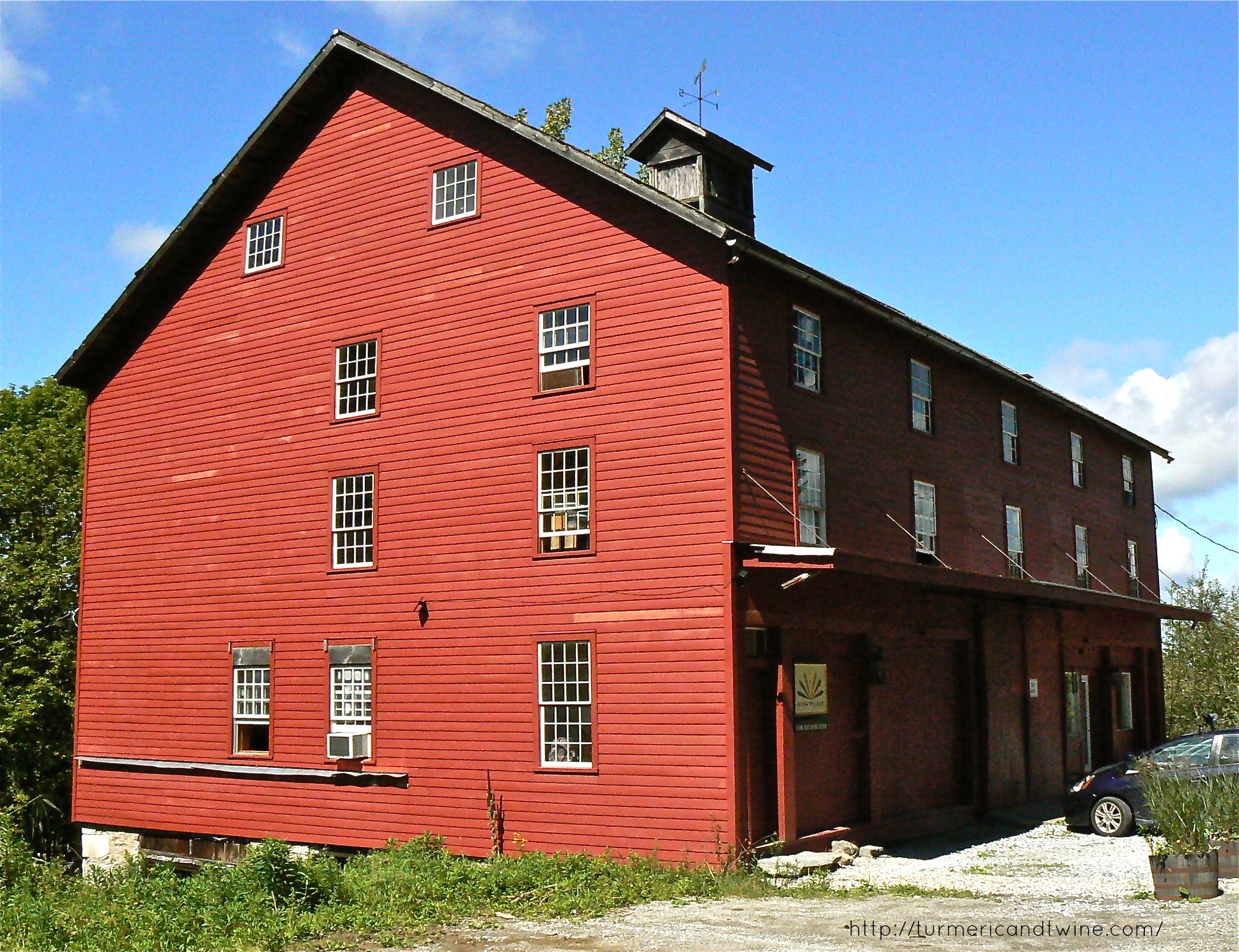
I have recently returned (from where will have to wait for multiple other posts) to the place of my birth, a spiritual Sufi community called the Abode of the Message in the Berkshires of upstate New York. Though I wasn’t raised here, it is a place where I have spent a lot of time and have grown to have a strong connection with. The Abode is a converted old Shaker Village with beautiful buildings, some of which are as old as 265 years.

Fatah at the Abode

It is a very peaceful (when the bugs aren’t attacking) and quaint sort of place.

About 37 years ago, it was bought by a group of hippies who needed a space to meditate and be self-sufficient. The Abode turned out to be the perfect spot for their needs. Belle, the lovely draft horse plows the organic farm.

Fatah at the Abode red barnBelle

The farm produces food for the community and its events.The Abode Farm

The herb garden is where herbs, spices and edible flowers are grown.The Herb Garden at the Abode

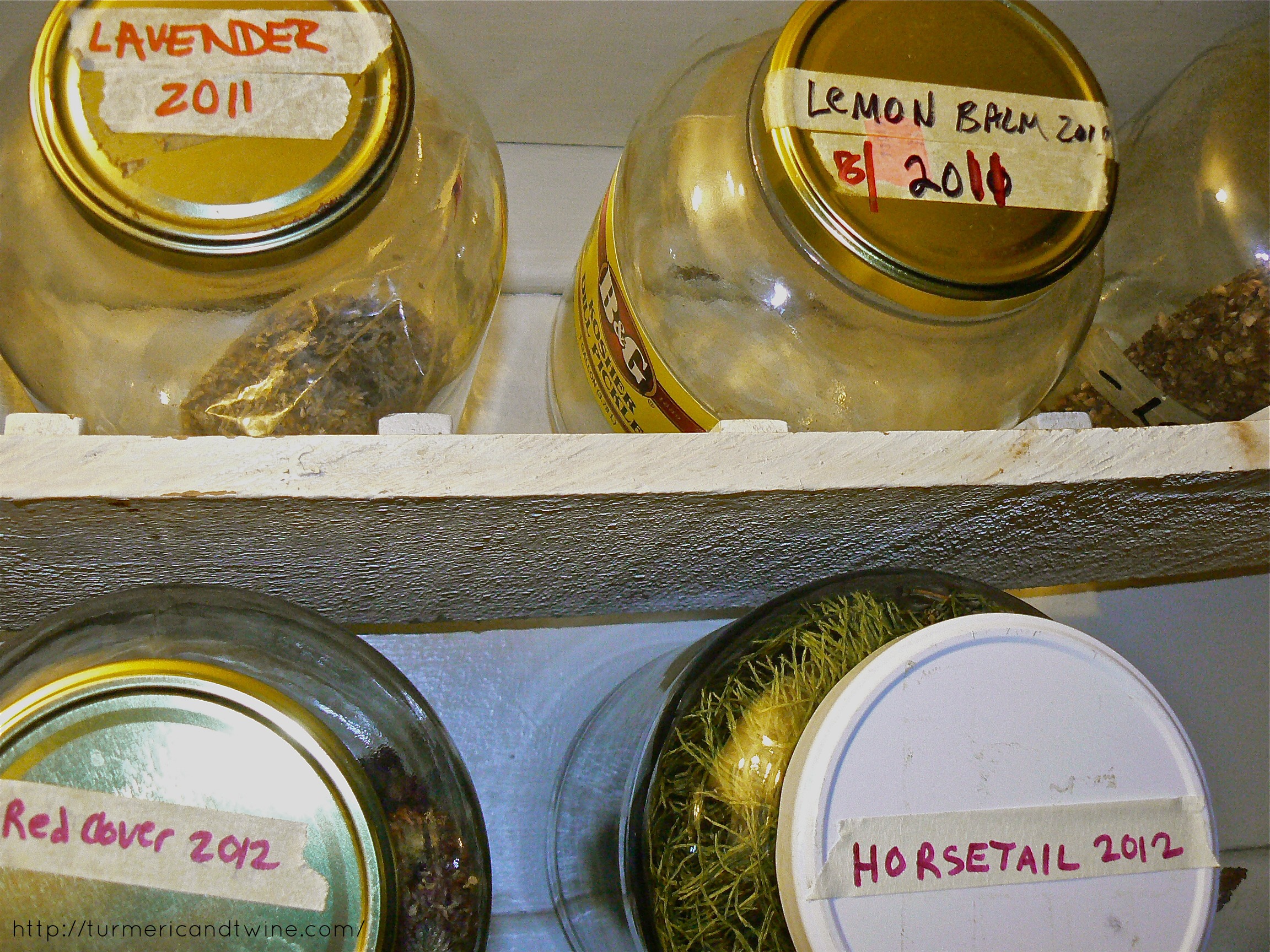
Herbs are harvested, dried and stored in the apothecary for remedies and teas.The Abode Apothocary

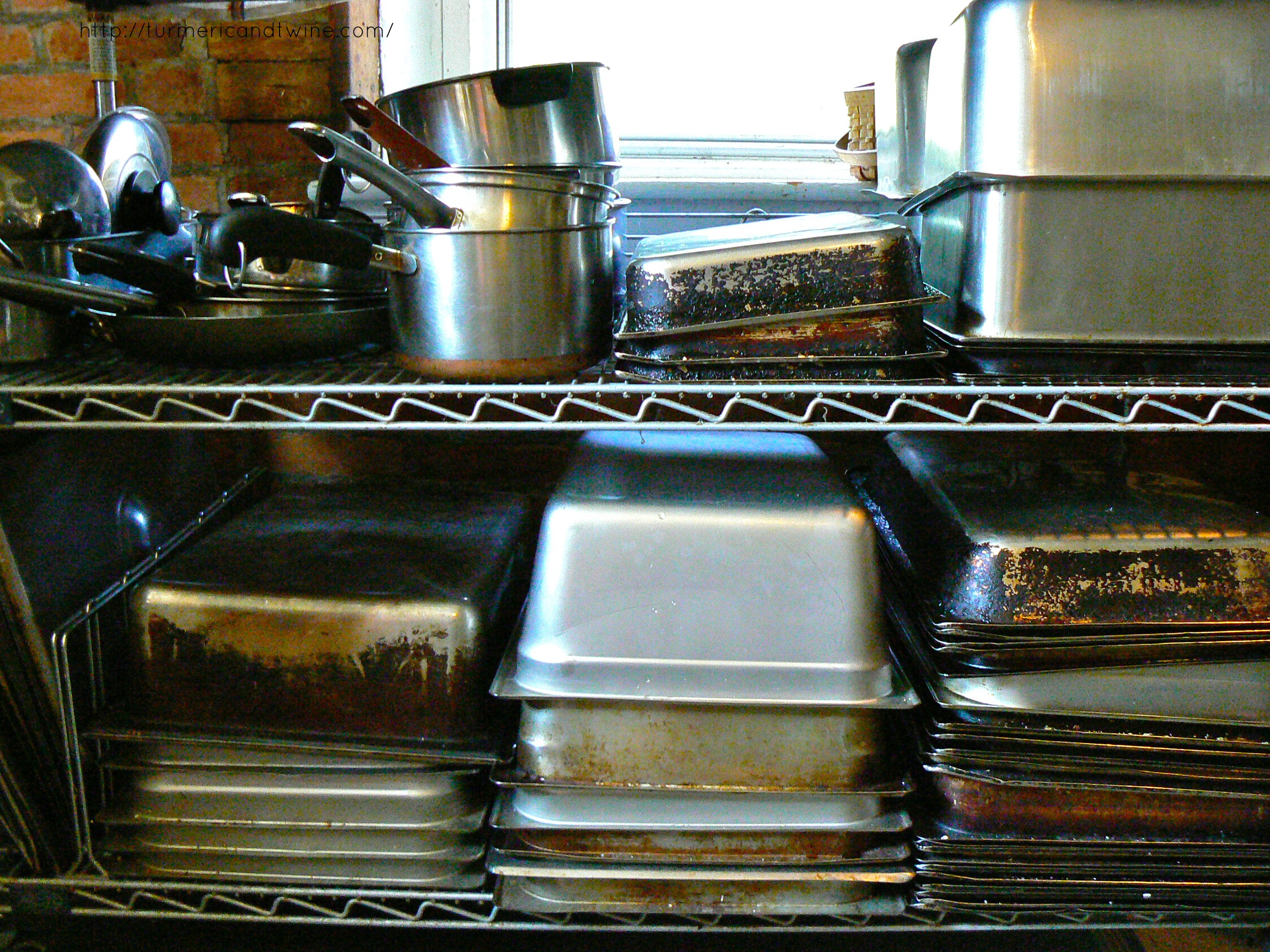
And then there’s the kitchen… oh, the kitchen. So many warm memories of my time at The Abode have been spent making food in this kitchen.The Abode Kitchen

It is well stocked and well-loved.Big woks in the kitchen

With its large convection oven, massive woks and high heat candy cooker, the kitchen combines the efficiency of a commercial kitchen with the cozy realness of grandma’s country home.Spice Jars

Original brick façade exposed, warm wood counters and the beauty of old Shaker construction, the Abode kitchen oozes history from its very pores.The kitchen at the Abode

I often wonder what meals this kitchen has seen. What failures and successes have been cooked here? How was the food spiced when my parents were doing the cooking? What methods did the Shakers use?  What has been the largest number of people served here? There are probably ways to find answers, but I don’t think I’d be satisfied with them. Some queries are best left to wonder about.Little woks and iron skillets

Because the reality of this place is entwined with memories from my childhood, I never quite got over my sense of awe. The buildings are old and creaky, there are unused things from previous residents stored all over the property and awesomely creepy cellars in just about every building.creepy basement

I have mixed feelings about being back (the open road calls me constantly), temporary as my stay here will be, but it’s certainly a great place to explore cookery.  And here I am, just in time for harvest season. So many cooking opportunities, so little time.

Here’s a simple summer salad fresh picked from the garden:

Baby Arugula Mixed Salad

Salad Ingredients

  • arugula
  • carrots
  • cucumber
  • celery
  • black and/or green olives
  • roasted almonds pieces

Vinaigrette Ingredients

  • ¼ cup balsamic vinegar
  • ¼ cup olive oil
  • ¼ cup soy sauce
  • 2 tablespoons of sesame oil

Directions

Wash, slice, mix and enjoy ingredientsArugula salad